The PRISM Model
A Framework for
Human Flourishing
Suffering and uncertainty are part of life. So are meaning and purpose.
Explore PRISM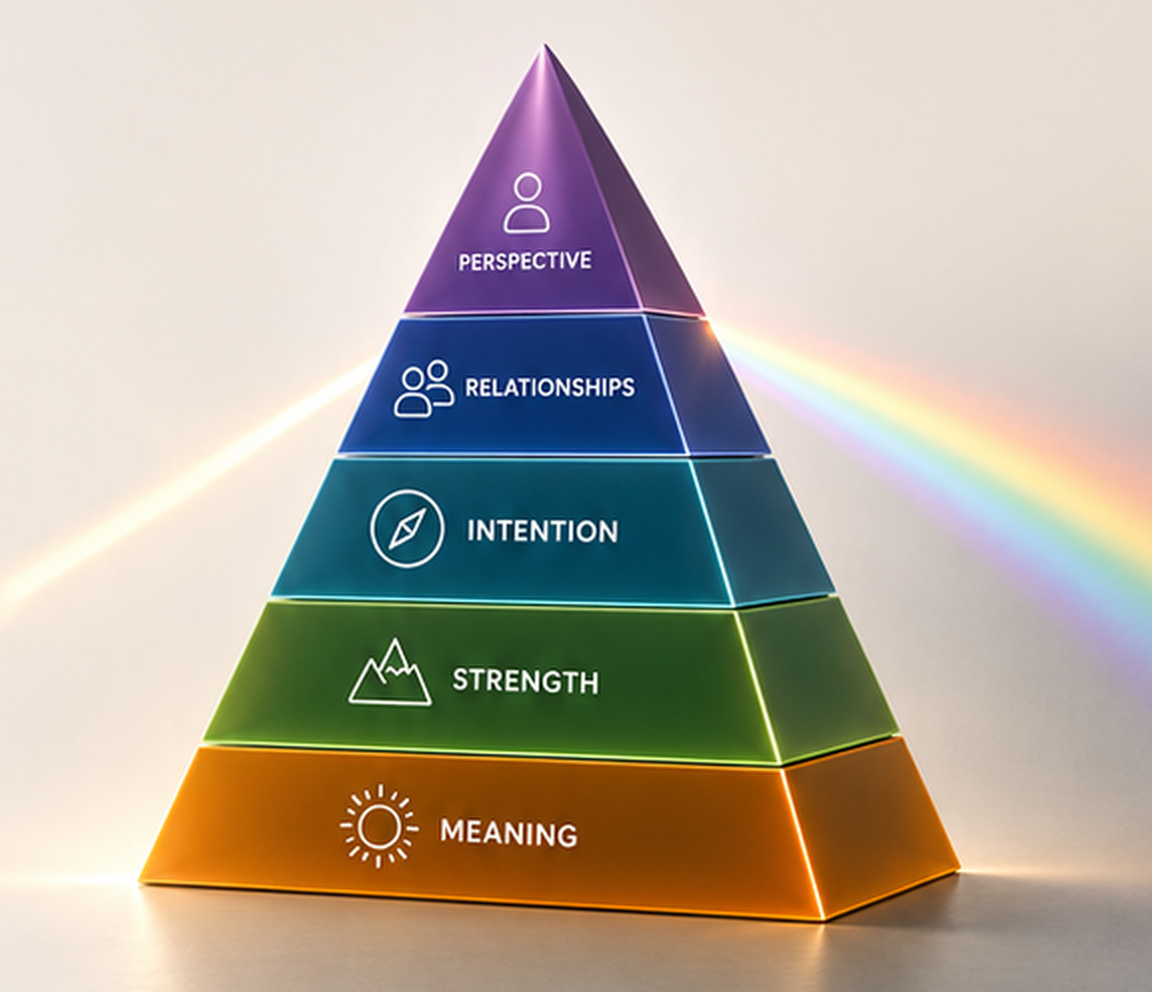
What is PRISM?
A clinically grounded approach to support sustained growth and well-being.
Life rarely unfolds the way we expect. Relationships change. Dreams are disrupted. Recovery is hard. Loss, uncertainty, and adversity touch every life.
The PRISM Model integrates evidence-based principles from positive psychology, neuroscience, attachment science, trauma-informed care, and behavioral change research.
It provides a practical structure for helping individuals cultivate meaning, build resilience, strengthen relationships, and create a life worth protecting.
Because while suffering and uncertainty may be unavoidable, how we respond to them matters.

The Five Dimensions of PRISM
Perspective
Tools for examining the stories we tell ourselves.
Relationships
Tools for building and strengthening meaningful connections.
Intention
Tools for aligning daily choices with long-term values.
Strength
Tools for responding constructively to adversity.
Meaning
Tools for identifying what matters most and building a life worth protecting.
Why PRISM exists
The science and story behind PRISM.
The PRISM Model was created to answer a simple but powerful question:
What helps people flourish, even in the face of adversity?
Drawing from doctoral research, clinical practice, and lived experience, Dr. Carly Button developed PRISM as a practical framework for building resilience, purpose, connection, and lasting well-being.
The model became the foundation of her doctoral research and has since been presented to professional audiences nationally and internationally.
PRISM brings together five interconnected dimensions—Perspective, Relationships, Intention, Strengths, and Meaning—to help individuals and organizations move beyond coping and toward flourishing.
Flourishing is not the absence of struggle—it's the ability to grow through it.
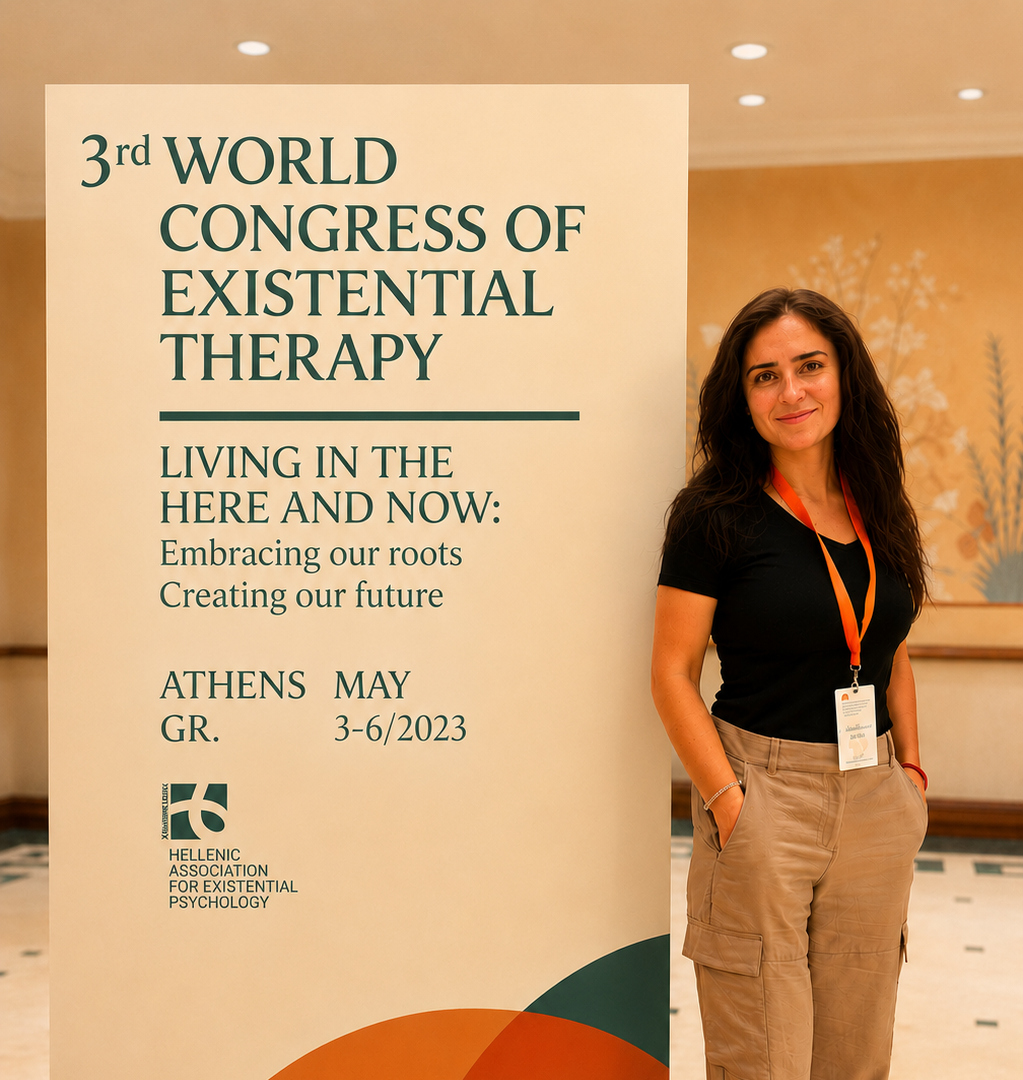
Carly Button, PhD, LPC
Founder of The PRISM Model
- Doctoral researcher in meaning-centered approaches to recovery and human flourishing.
- Presenter at the World Congress of Existential Therapy.
- Bridging clinical expertise, research, and personal experience to create practical tools for lasting change.